
Deputy Prime Minister opens Innovation Summit in Social Housing Sector 2026
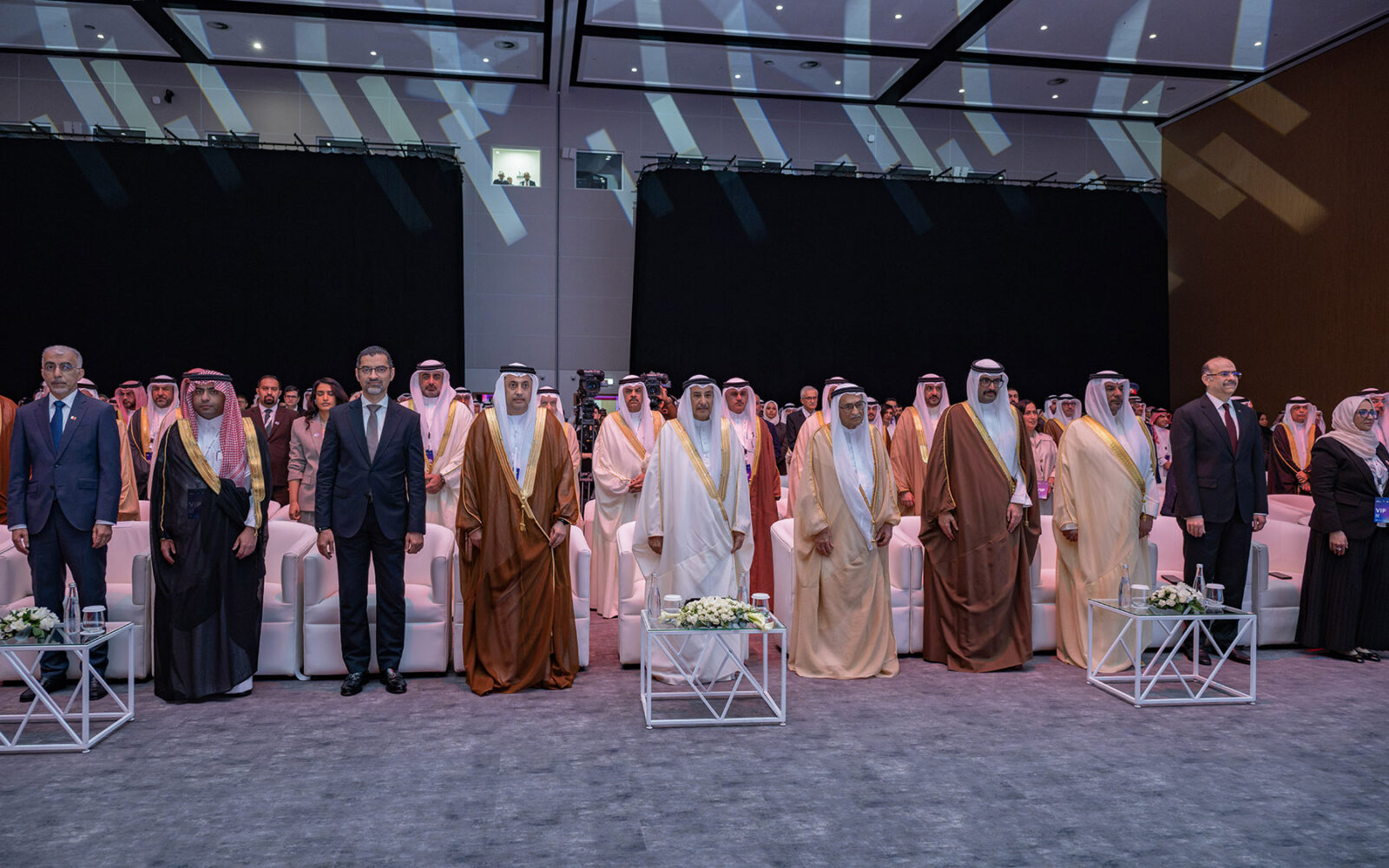
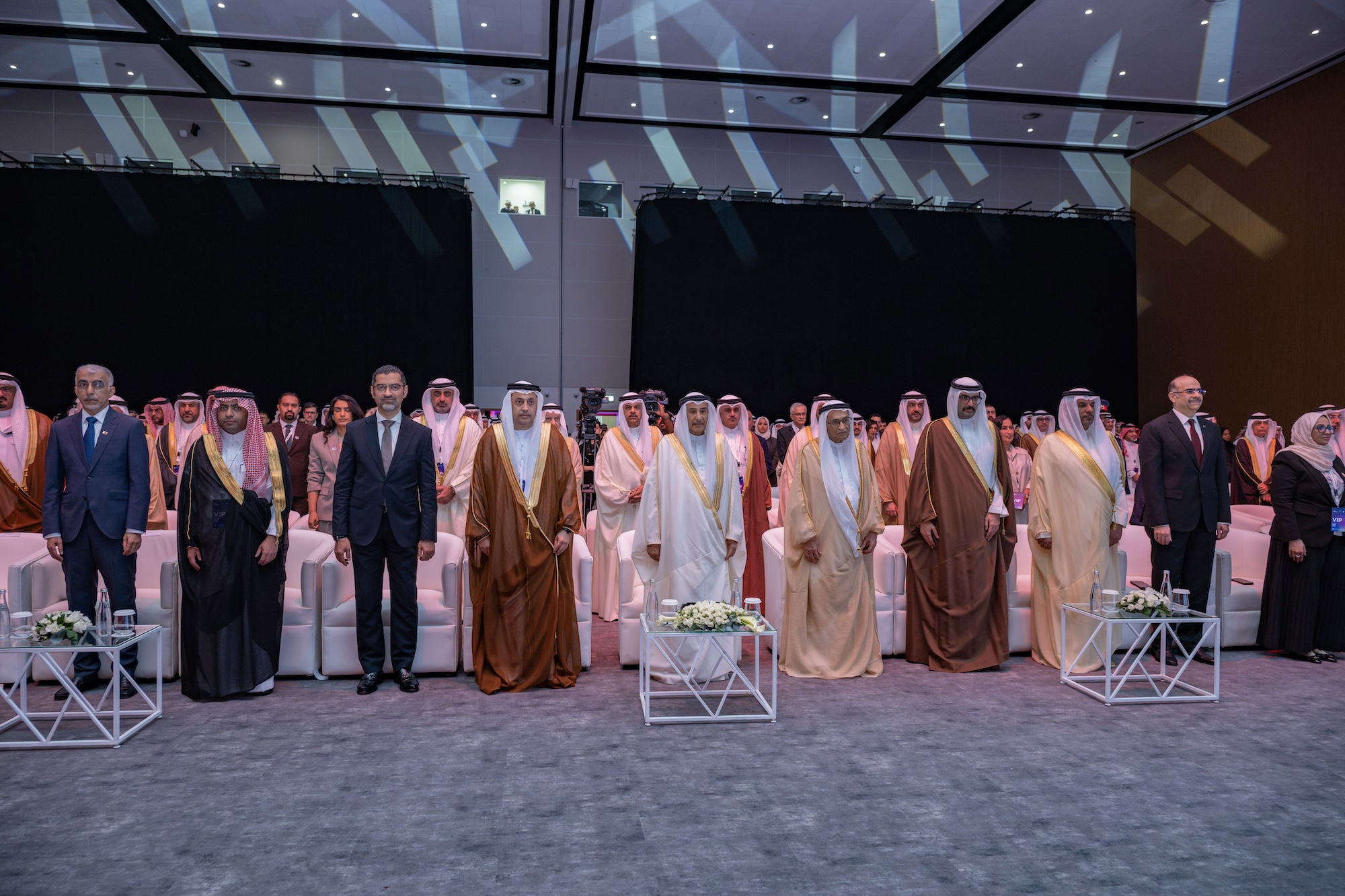
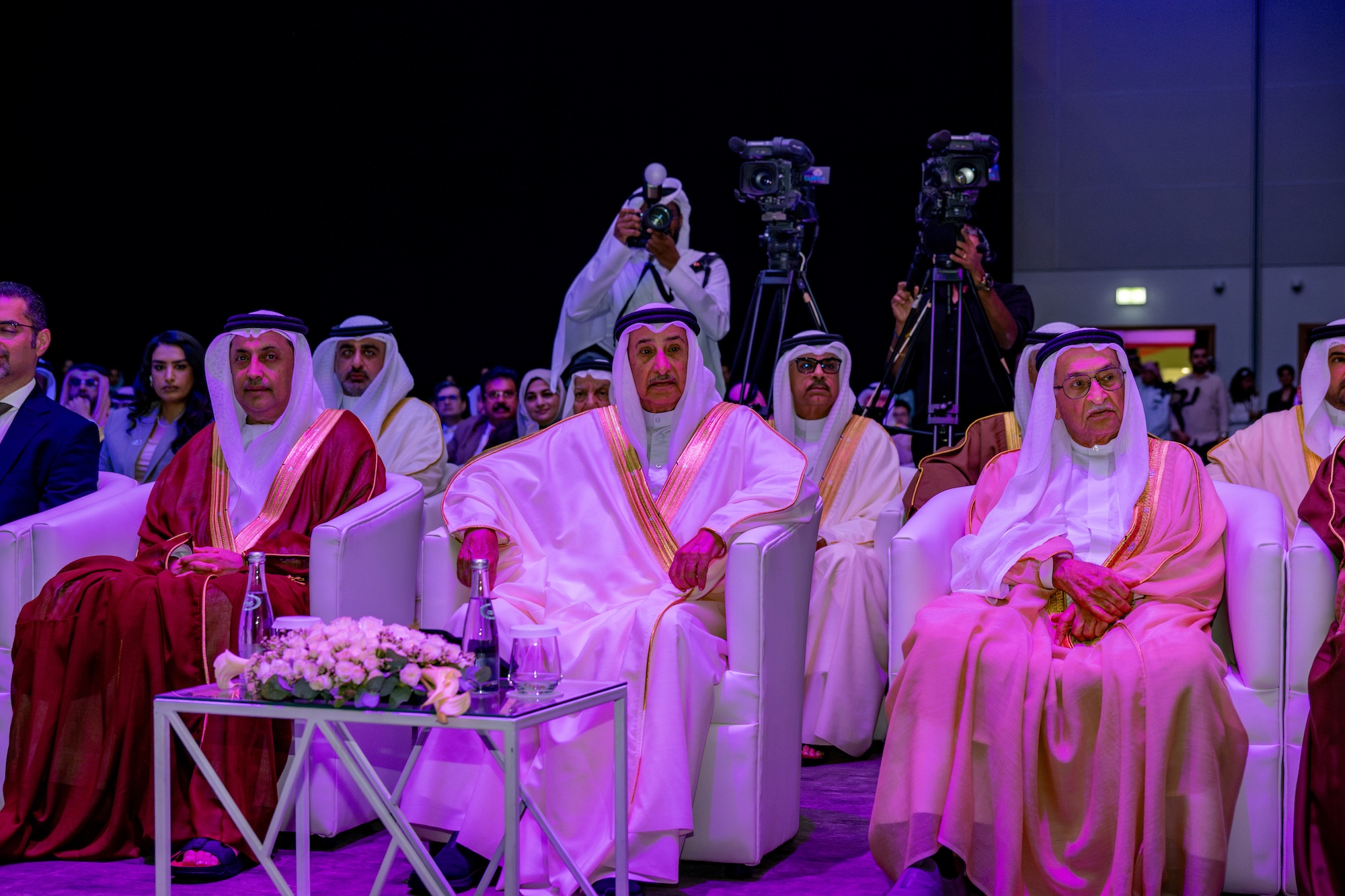
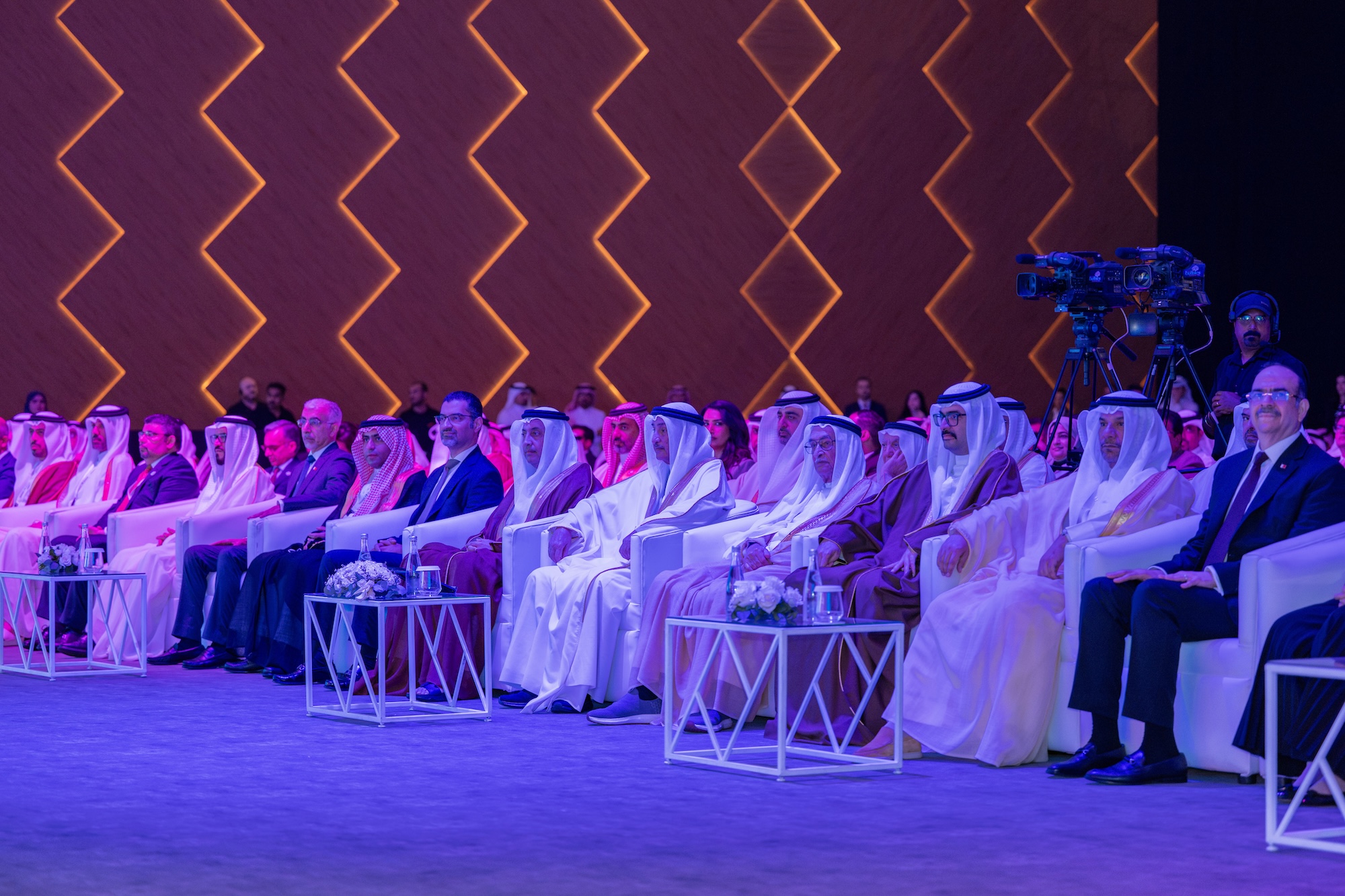
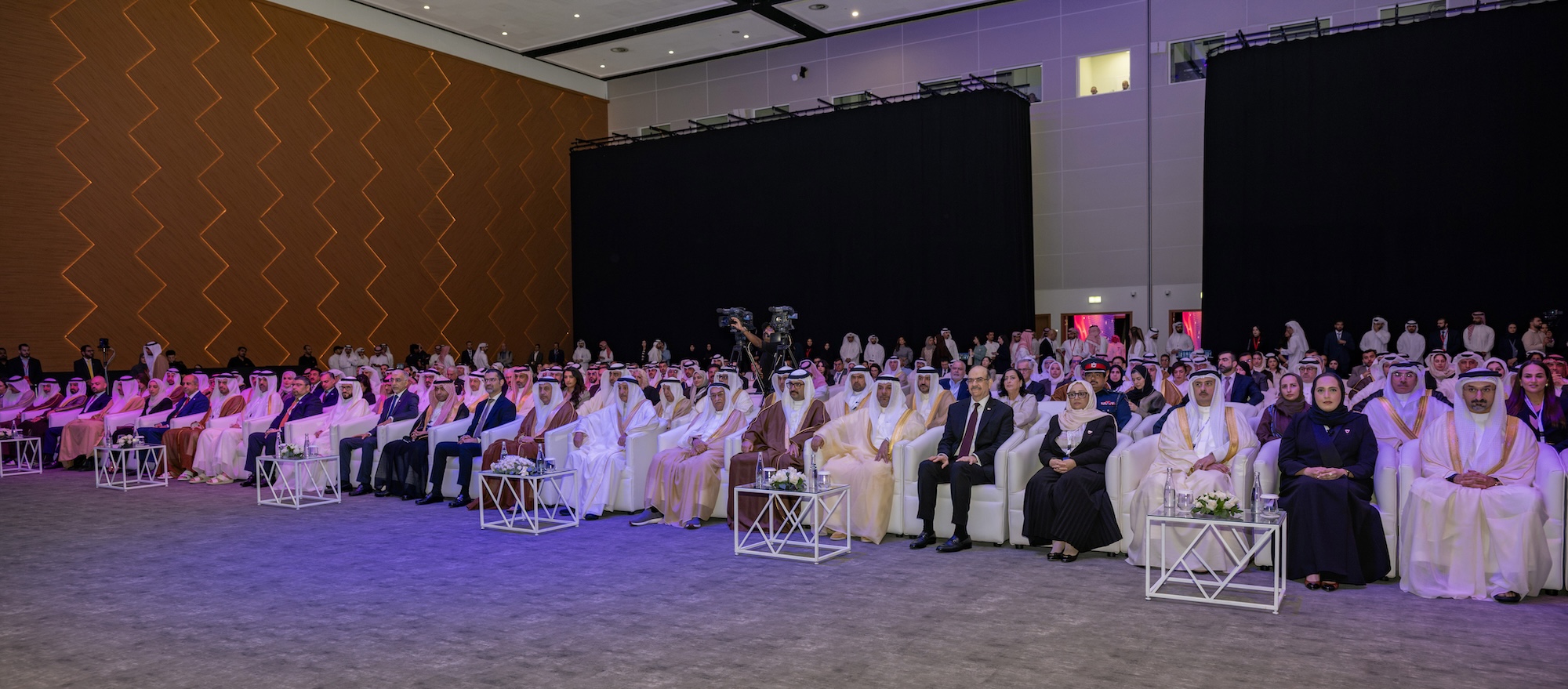
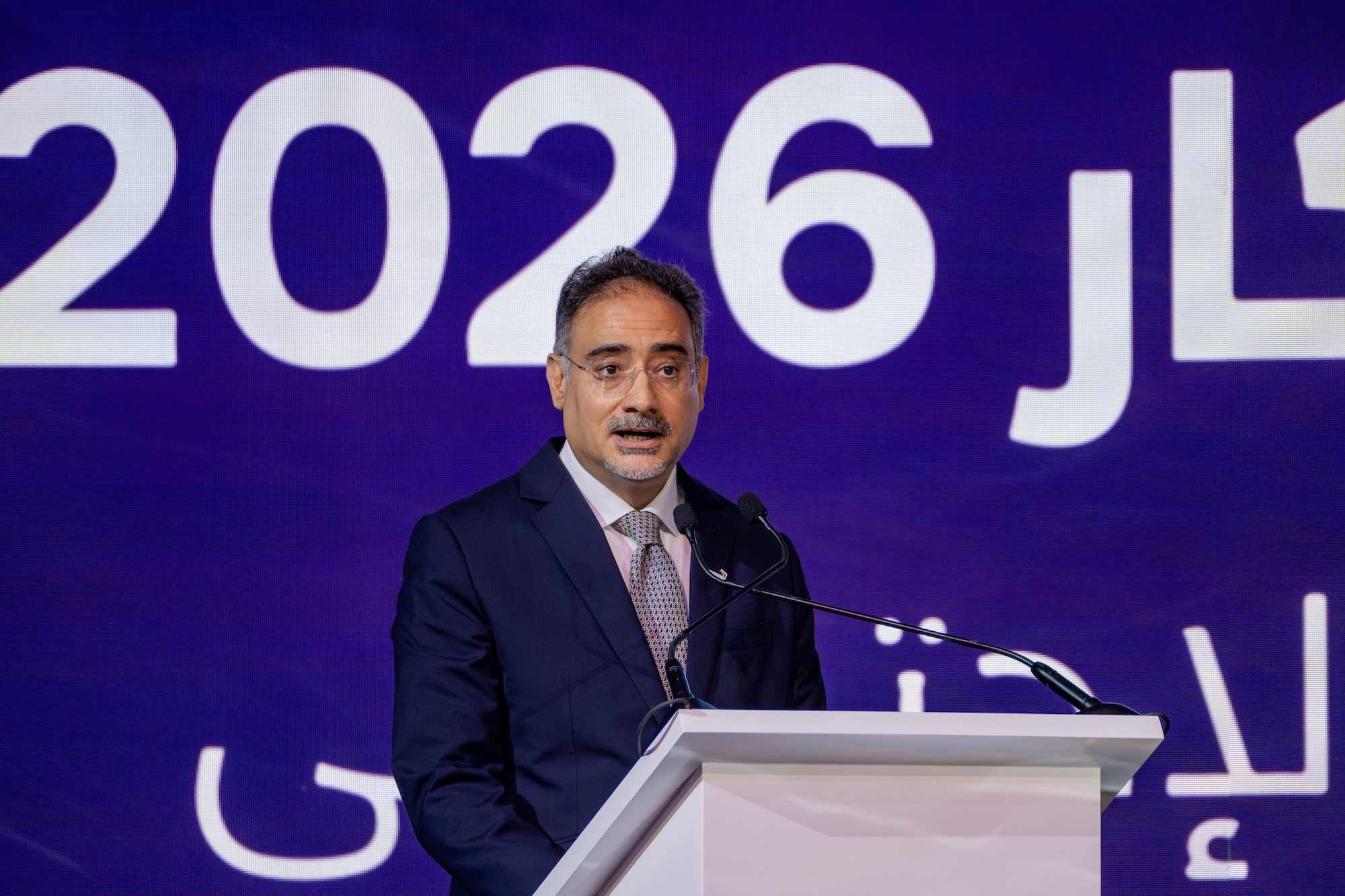
His Royal Highness Prince Salman bin Hamad Al Khalifa, the Crown Prince and Prime Minister, deputised Shaikh Khalid bin Abdullah Al Khalifa, Deputy Prime Minister, to open the Innovation Summit in the Social Housing Sector 2026. The event is organised by the Ministry of Housing and Urban Planning and Eskan Bank at the Exhibition World Bahrain in Sakhir, from September 29 to October 3.
The event coincides with the fourth Gulf Cooperation Council Housing Week, hosted by the Kingdom of Bahrain as part of its presidency of the 46th session of the GCC Supreme Council.
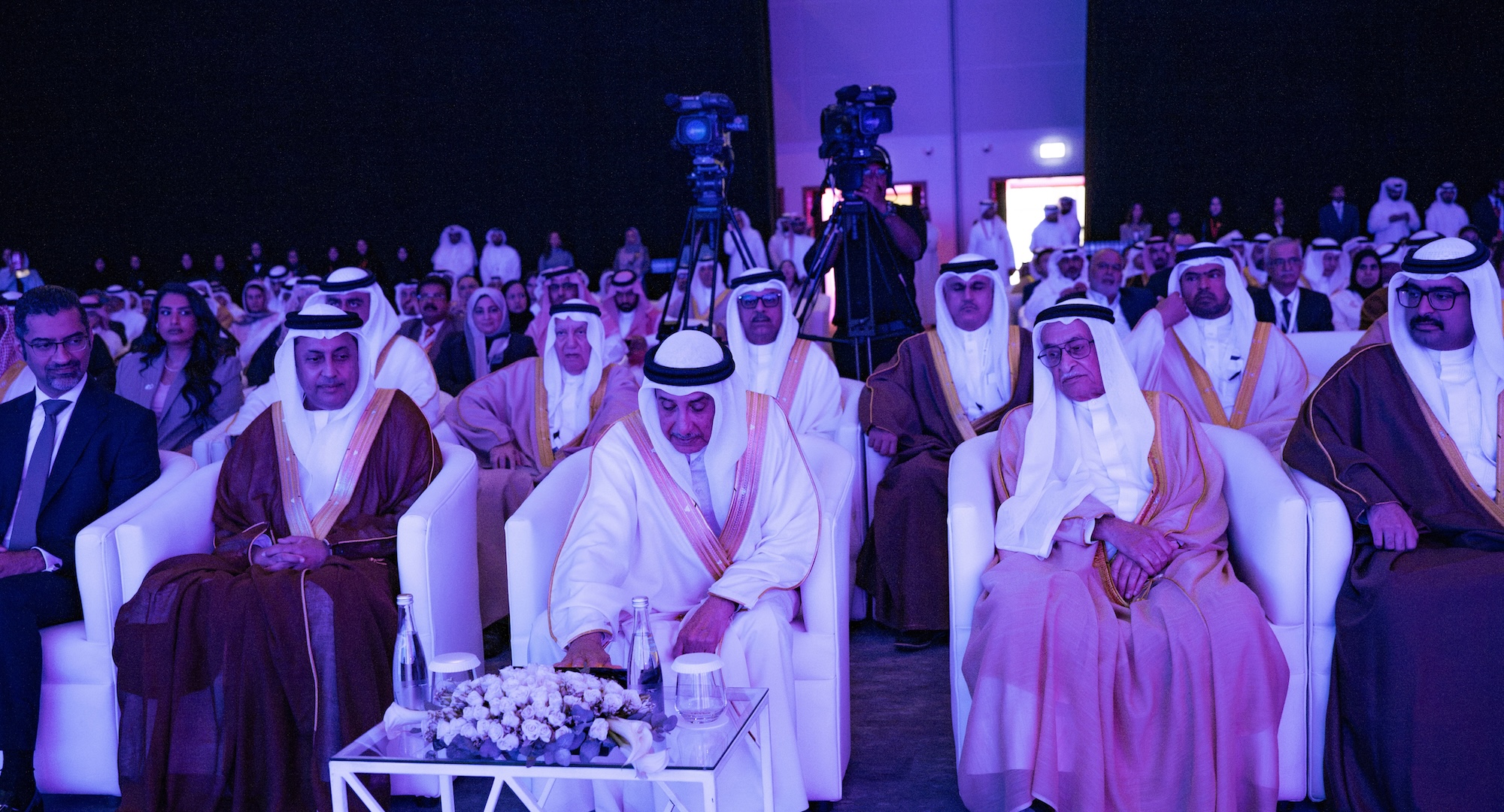
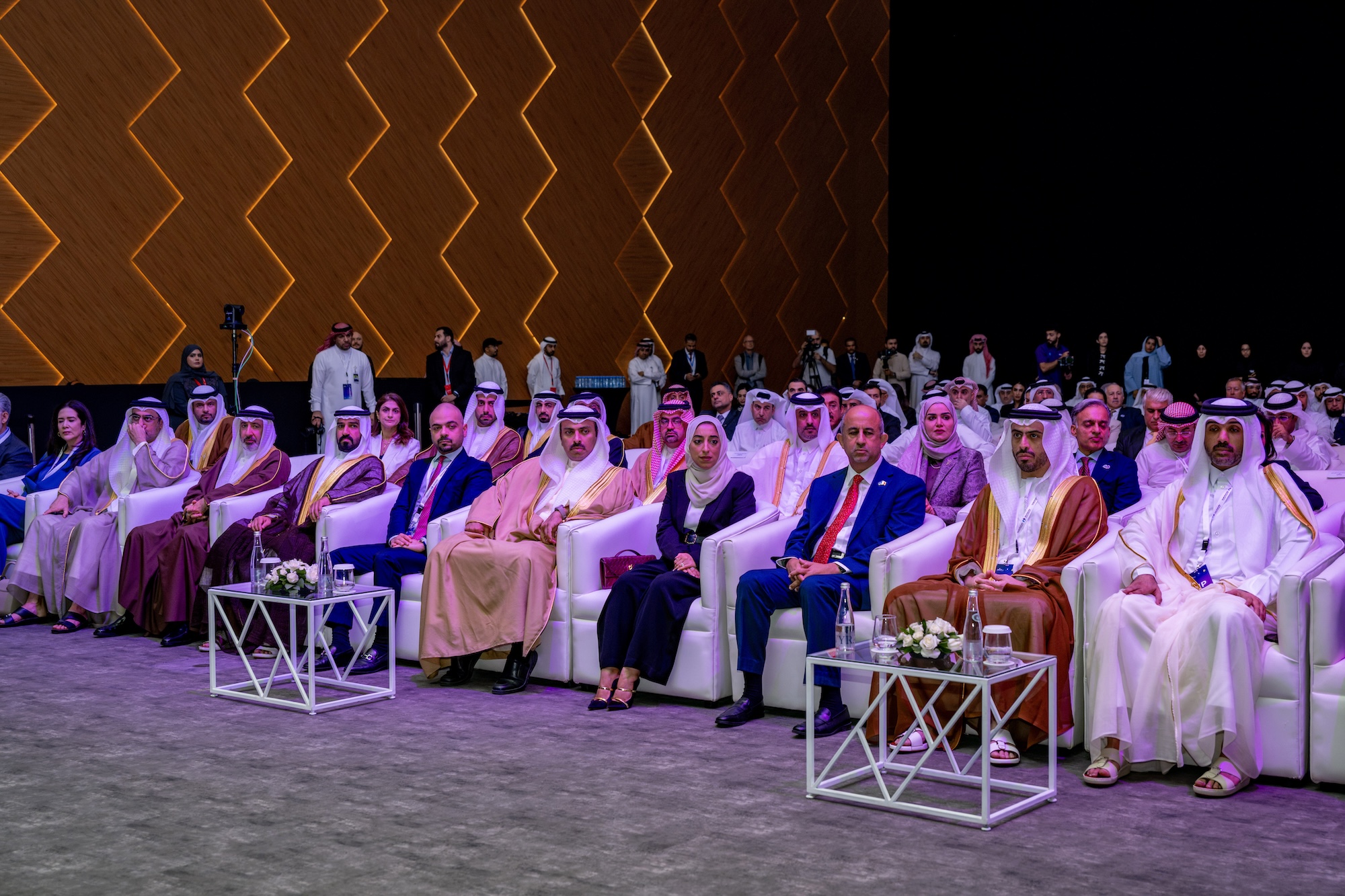
The opening ceremony was attended by senior officials and representatives of the GCC countries responsible for housing affairs, as well as representatives of the public and private sectors and banking and real estate institutions. During the ceremony, the Ministry of Housing and Urban Planning signed a contract with Naseej to implement the Khalifa City project, the largest project of its kind under the Government Land Development Rights Programme, as part of the strategic partnership with the private sector.
The project includes the development of more than 2,500 housing units in Khalifa City. It supports government plans to implement the directive of His Majesty King Hamad bin Isa Al Khalifa to provide 50,000 housing units and increase the housing stock allocated to citizens benefiting from housing finance programmes.
Shaikh Khalid bin Abdullah said that holding the conference and exhibition alongside the signing of the Khalifa City project contract reflects Bahrain’s continued progress in implementing its housing plans under the leadership of His Majesty the King and the directives of HRH the Crown Prince and Prime Minister.
He noted that His Majesty the King’s directive to provide 50,000 housing units is central to the continued development of housing policies and programmes. Achieving housing targets requires building on progress already made and adopting more innovative implementation and financing models to develop the social housing system and accelerate projects that meet citizens’ aspirations and provide them with a range of sustainable housing options.
The Deputy Prime Minister said that the Khalifa City contract reflects the progress made in public-private partnerships in the social housing sector. These partnerships are now being used to deliver large-scale housing projects by combining government land with the private sector’s financing, implementation and development capabilities, helping to increase the supply of homes priced in line with housing finance programmes.
He emphasised that developing these partnerships would create wider opportunities for the private sector to contribute to housing projects. Such projects would also benefit the wider economy, including real estate development, construction, engineering, building materials, design and supply chains, strengthening the contribution of social housing to economic activity and sustainable development.
Shaikh Khalid bin Abdullah thanked the Minister of Housing and Urban Planning and all ministry and Housing Bank staff for their efforts in preparing and organising the event. He wished all participants success and expressed hope that their discussions would produce practical recommendations and outcomes that help shape the sustainable future of the social housing sector in Bahrain and across the GCC.
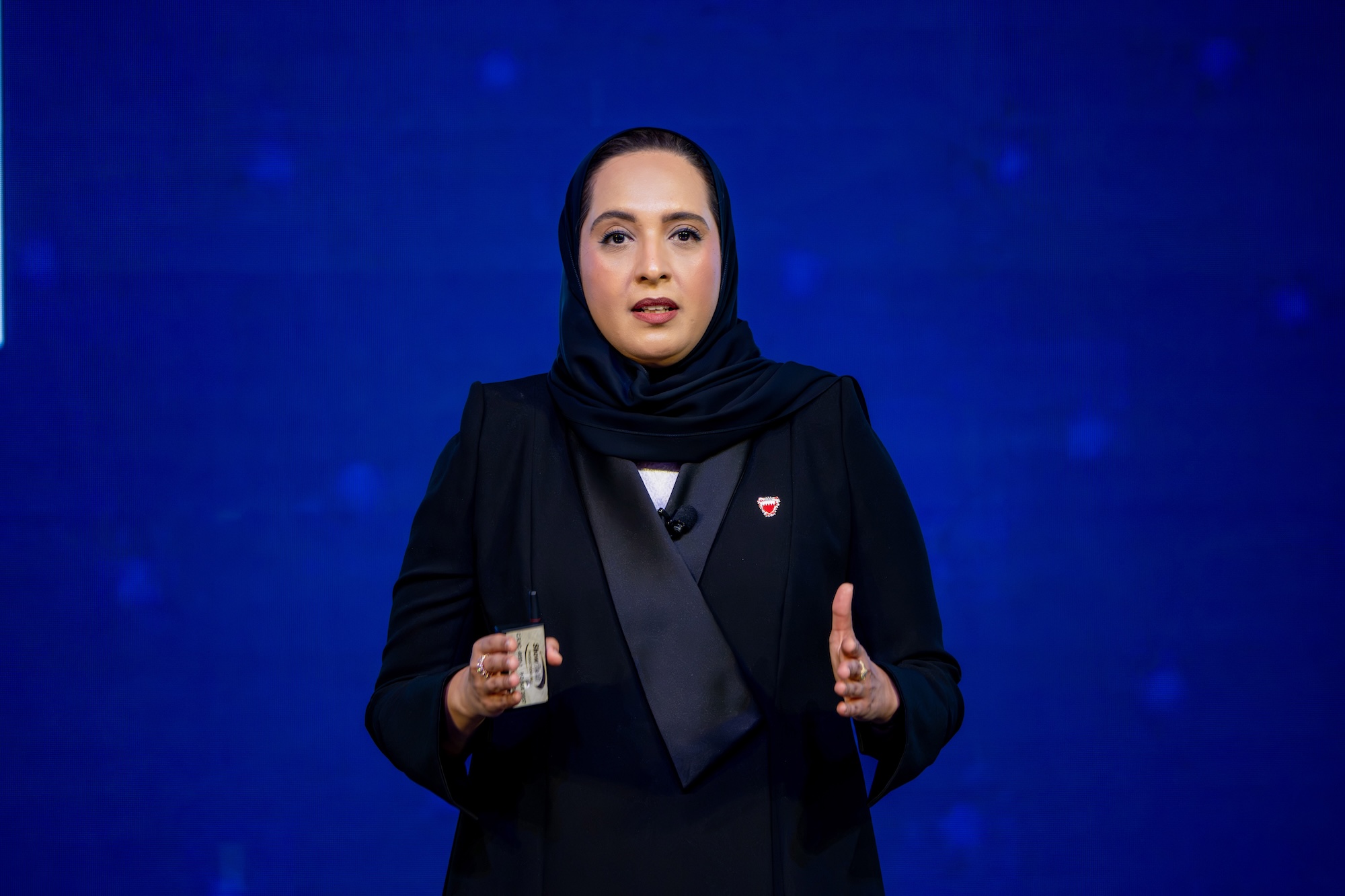
For her part, Amna bint Amna bint Ahmed Al Rumaihi, Minister of Housing and Urban Planning, expressed thanks and appreciation to HRH the Crown Prince and Prime Minister for his patronage of the Innovation Summit in the Social Housing Sector 2026. She said this reflected the support and attention of His Majesty the King for urban and housing development, as well as the priority His Royal Highness gives to social housing as key to family stability in the Kingdom.
She also thanked the Deputy Prime Minister for attending and opening the conference and exhibition, and commended his close attention to the development of the housing sector through his chairmanship of the Ministerial Committee for Development and Infrastructure Projects.
Minister Al Rumaihi said the royal directive to provide 50,000 housing units was the main reference guiding the ministry’s plans, programmes and priorities. Implementing the directive requires continued improvements to working methods, faster delivery and new solutions and partnerships that turn ideas into tangible projects and services for citizens.
She added that partnerships with the private sector had become a key part of developing the social housing system, both through housing finance programmes and by increasing the housing stock available to citizens. She noted that the ministry had identified around 29 potential real estate partnership opportunities, expected to deliver more than 17,000 housing units or plots over the coming years, reflecting the growing role of the private sector in meeting housing targets.
Regarding the Khalifa City project contract, the minister said the signing marked a major milestone, following the award of its development rights to Naseej. The project will provide more than 2,500 housing units at subsidised prices aligned with housing finance values, across a development area of 1.56 million square metres. It will include around 176,600 square metres of green and open spaces, as well as supporting infrastructure, reflecting the move towards developing integrated and sustainable residential communities.
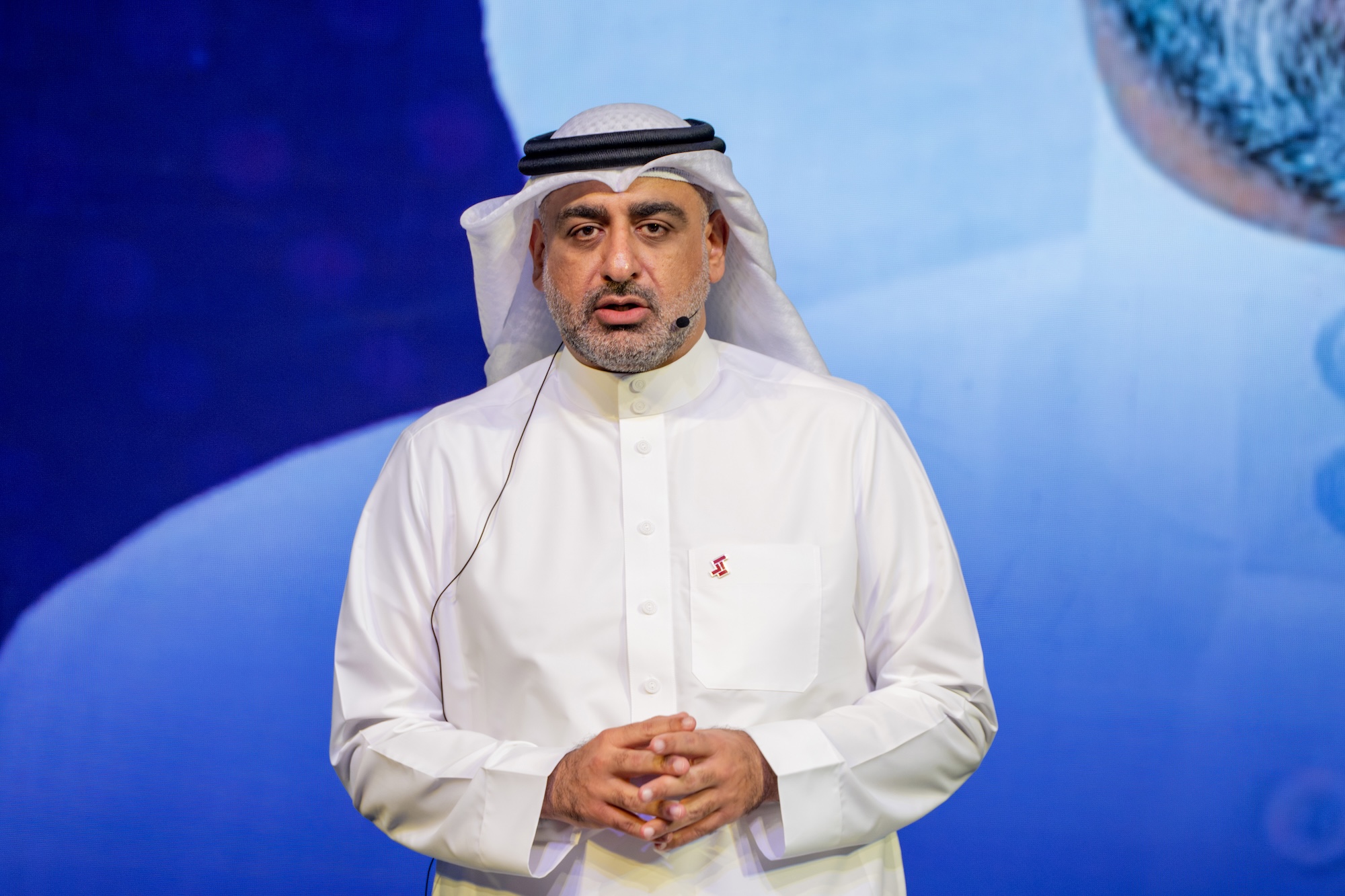
Naseej also presented its experience in public-sector partnerships for housing projects. Under the Government Land Development Rights Programme, the company is responsible for designing, financing, building, marketing and selling the Khalifa City units, as well as delivering the supporting infrastructure, in line with housing finance programmes and approved pricing standards.
The Deputy Prime Minister then opened the exhibition accompanying the conference and toured its halls, where he viewed the latest projects, technologies and innovative practices in the social housing sector. He also visited the stands of participating government entities, real estate and banking companies, and the pavilion dedicated to fellow GCC countries. He commended the quality of the exhibits and the solutions and initiatives presented by the participating institutions to support urban development and advance the social housing sector.